Kids' football shoes Joma
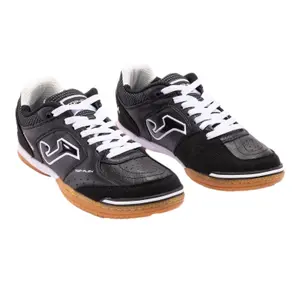
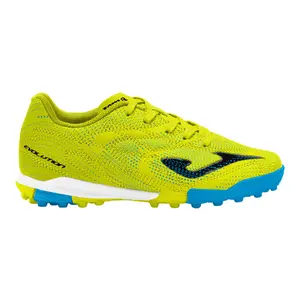
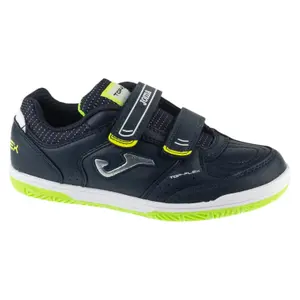
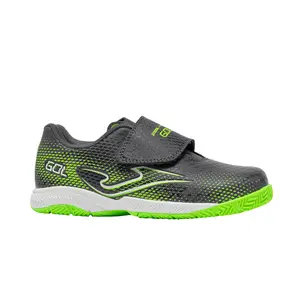
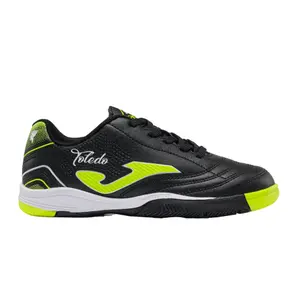
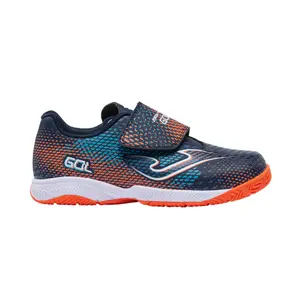
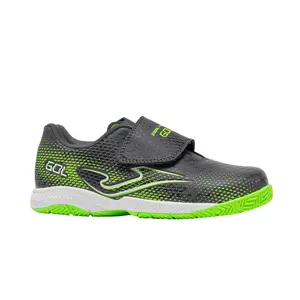
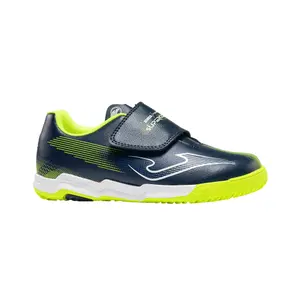
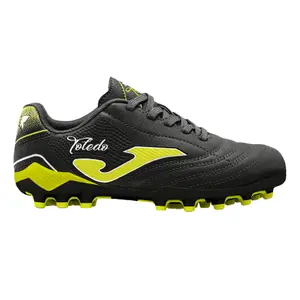
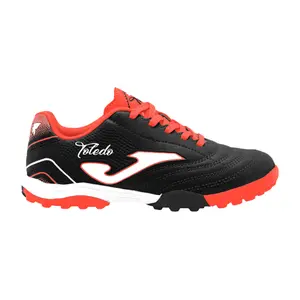
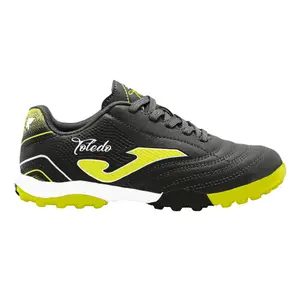
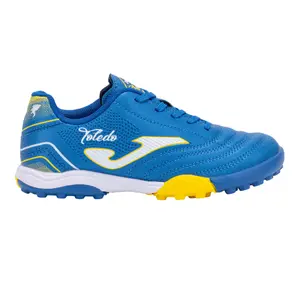
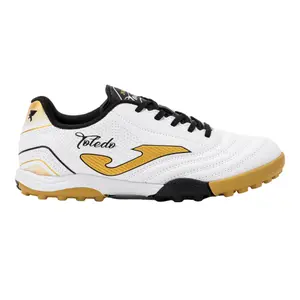
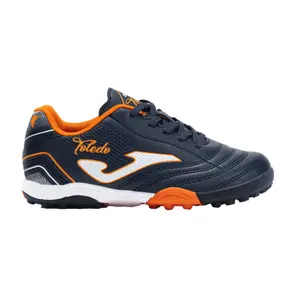
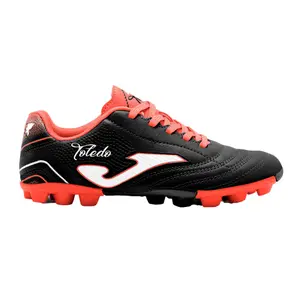
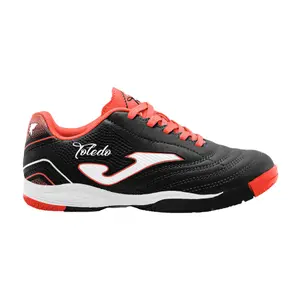
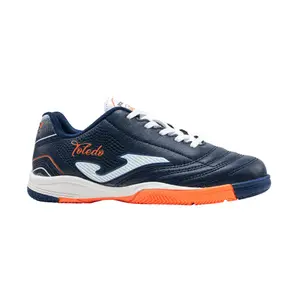
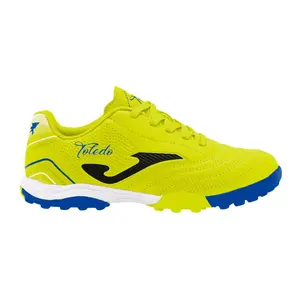
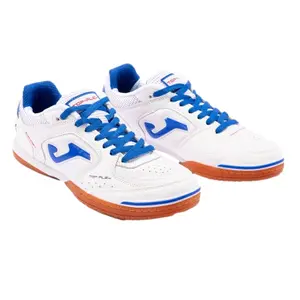


This page brings together the children's football boots Joma available on Foot-Store. You will find models designed for young players, to choose according to the playing surface (artificial turf, natural grass, or indoor) and the child's shoe size.
To compare with other brands, also check the children's football boots from all brands.
Football boots Joma for kids: what can you find on this page?
This page features football boots Joma designed for children, with models suitable for different playing surfaces and foot sizes. Joma equips young players with shoes that prioritise comfort and foot stability during play, whether at training or in matches.
The choice of a pair mainly depends on two criteria: the surface where the child plays most often and their current shoe size, which can change rapidly at this age.
How to choose the right playing surface for Joma kids' studs?
Firstly, the choice depends on the surface where the child plays most regularly. Moulded studs are suitable for natural grass, multi-surface (or turf) studs are appropriate for the latest synthetic pitches, and flat shoes are reserved for indoor or futsal. Playing with studs that are not suitable for the surface can affect the child's grip and comfort during the match.
If you're not yet sure about the type of pitch the child will be playing on most frequently, a pair of multi-surface shoes often remains the most versatile choice to start with.
Should you prioritise comfort or performance for a child?
For younger players, comfort and foot stability take precedence over pure performance. A well-fitted shoe that properly supports the ankle and foot without being too tight allows the child to play longer without discomfort or blisters.
adidas, Nike, Puma: other brands of kids' football shoes
If you want to compare Joma models with other brands before making a choice, these pages allow you to check out the other brands available for kids:
- The football boots adidas for kids, with several ranges depending on the type of play desired.
- The football boots Nike for kids, available in various lines according to morphology and playing style.
- The football boots Puma for kids, also available based on playing surfaces.
You can also return to the general page of football boots for kids to see all the brands together.
What shoe size should you choose for a child playing football?
The shoe size should be chosen by measuring the child's foot rather than relying solely on age, as growth varies significantly from one child to another. It's advisable to leave a slight gap in front of the toes, but not excessively, to avoid hindering their footing during running or direction changes.
Since children's feet grow quickly, it's useful to check the shoe size regularly, especially between football seasons.
Where to find good deals on kids' football shoes?
Foot-Store offers several pages that gather current deals on kids' football shoes, to check according to the time of year. The Black Friday and the end-of-year holiday season are often good times to renew a pair before the new season begins. The winter sales and the French Days in spring are other periods to keep an eye on if you want to take advantage of an offer.
- The page kids' deals collects current offers on products for kids.
- The page kids' sales features discounted models during sale periods.
- The page kids' new arrivals showcases the latest models added to the catalogue.
- The page clearance helps locate end-of-line items across all categories.
- The page shipped in 24h lists products available for fast shipping.
Frequently asked questions
Can you wear the same Joma studs all year round?
No, not necessarily: moulded studs are suitable for natural grass but wear out quickly or slide on synthetic pitches. It's better to adjust the type of sole to match the child's usual playing surface, especially if they change clubs or pitches mid-season.
How do you know if a football shoe is too small for a child?
A shoe that's too small compresses the toes and leaves red marks after removal, while a well-fitted shoe leaves a slight gap in front of the foot without slipping inside. If in doubt, measuring the foot at the end of the day provides a more reliable indication, as the foot slightly swells over the hours.
Are Joma kids' football shoes suitable for futsal?
For futsal, you should choose a flat shoe, without studs, designed for grip on indoor surfaces rather than a model intended for grass or synthetic pitches. Using studs indoors damages the flooring and reduces the child's grip.
Should you buy a size up to anticipate growth?
This is not recommended: a shoe that's too large affects foot stability and increases the risk of friction or falls during play. It's better to choose the right size at the time of purchase and check the size regularly rather than anticipating several sizes in advance.
What’s the difference between a football shoe and a regular sports shoe for a child?
A football shoe has a sole designed for grip on grass or synthetic surfaces (studs or spikes), which a regular sports shoe does not. Playing football in unsuitable shoes increases the risk of slipping and reduces ball control.